
Latest posts
-
Smart Motion Detection Cameras: Why Your Alerts Fire at 2 AM
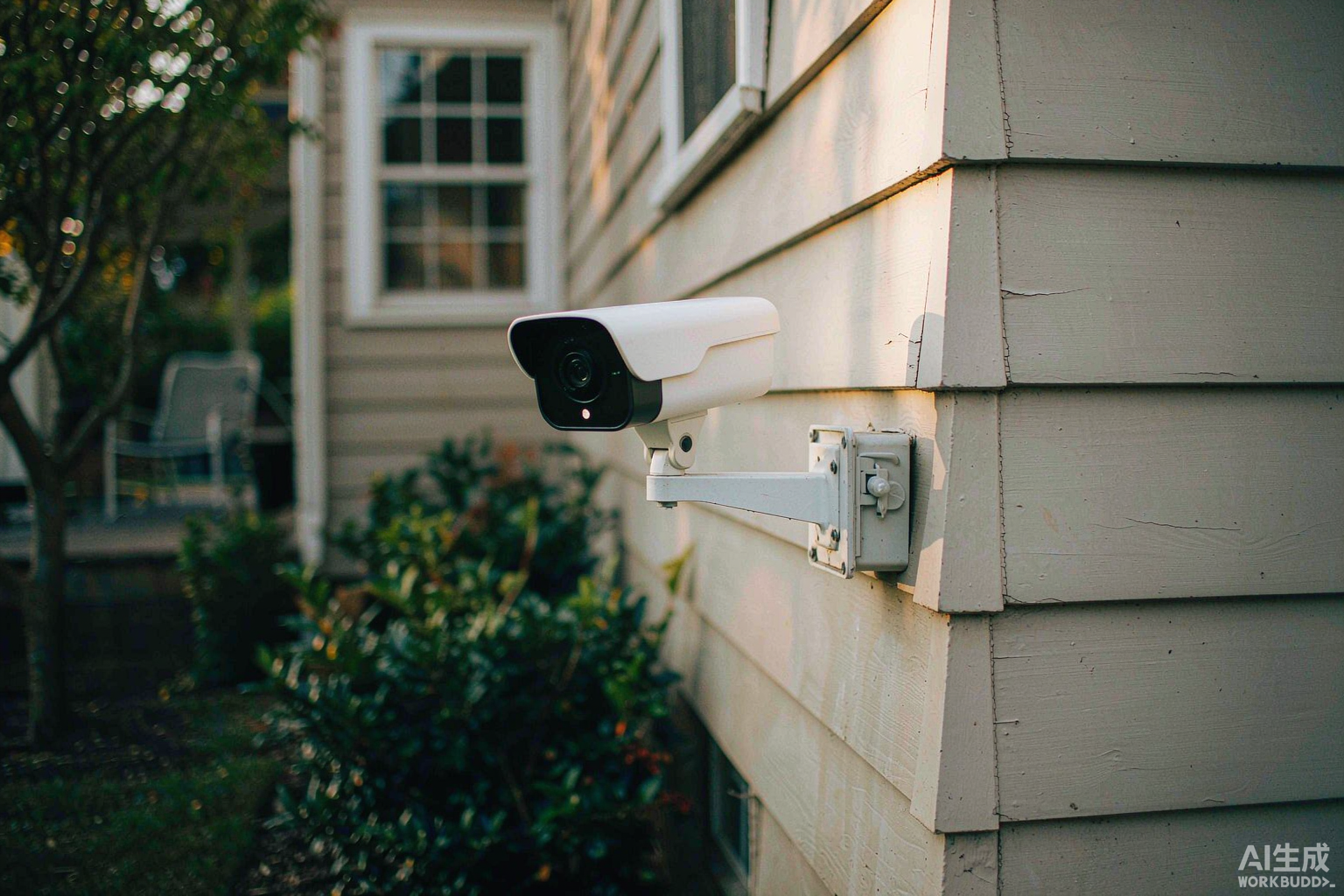
By Leo, woCyber — writing about local-first storage, private cloud and DIY home security. Your camera fires at 2 AM because something moved, not because something mattered. A smart motion detection camera cuts that noise in two steps: a passive infrared sensor confirms real heat movement first, then the chip decides whether that movement is…
-
Local AI Assistant Hub: Why the Storage Box Decides If You Can Switch Later
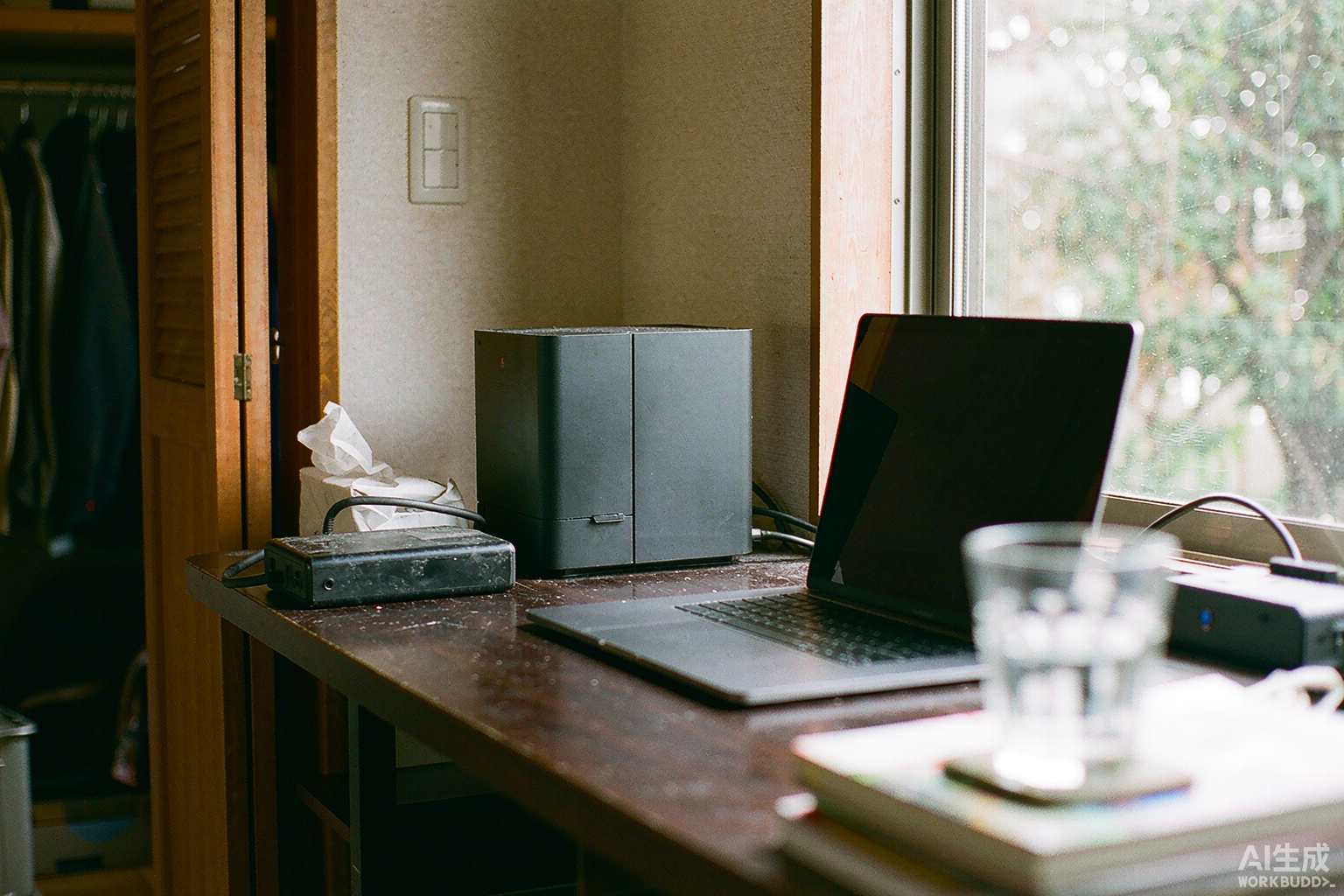
By Leo, woCyber — writing about local-first storage, private cloud and DIY home security. A local AI assistant hub is only as good as the storage underneath it. If the assistant writes to storage you cannot read directly, you have rented an interface and bought a box. Before you compare assistants, check one thing: can…
-
NAS Drive Price per Terabyte: The Number Sellers Bury in the Small Print
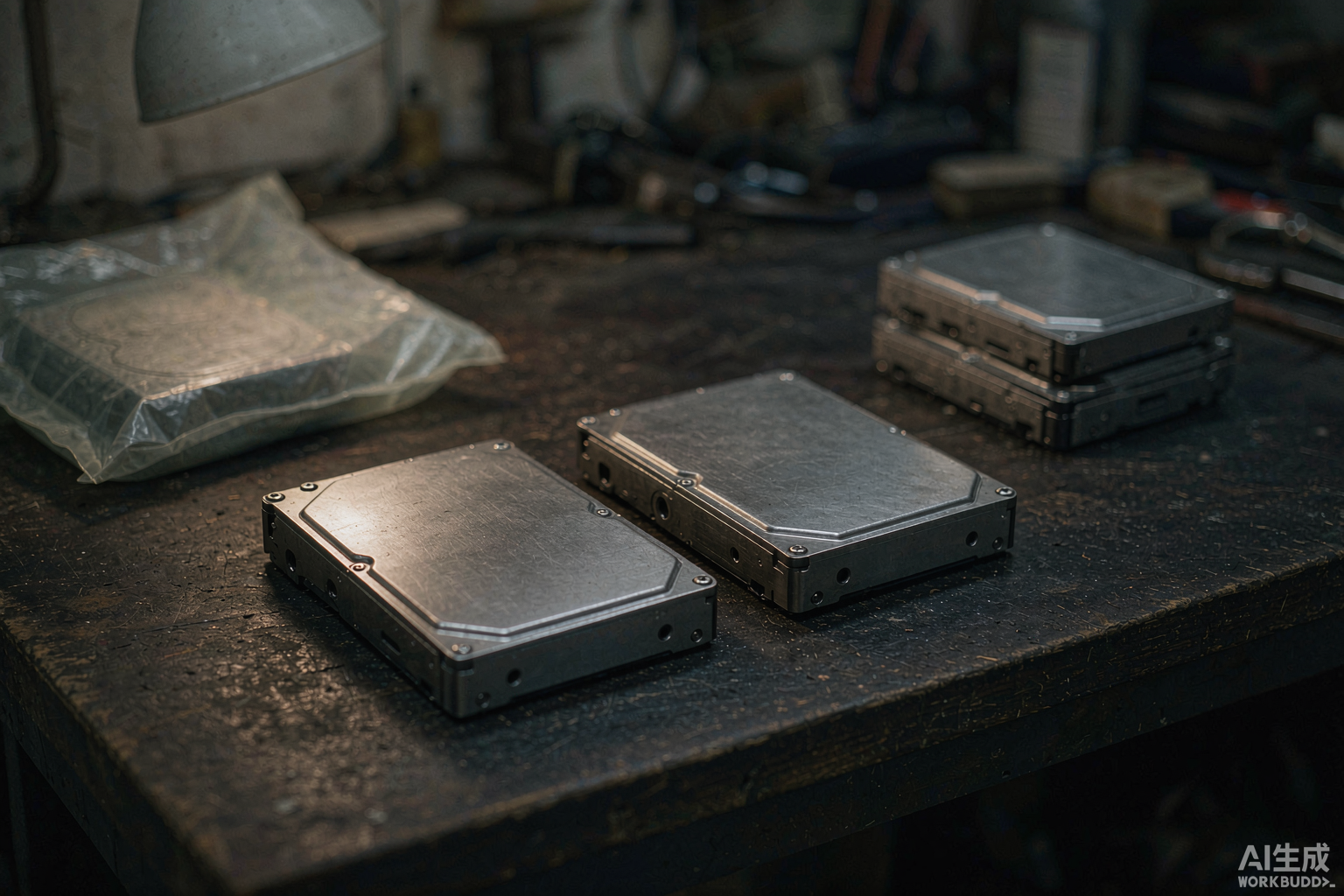
By Leo, woCyber — writing about local-first storage, private cloud and DIY home security. The headline NAS drive price per terabyte is usually not the number you pay. It is the number for the lowest-priced capacity tier in the line, in the smallest quantity, before tax, and often for a drive whose cache or workload…
-
How Many Days of Camera Footage Can a NAS Actually Hold?
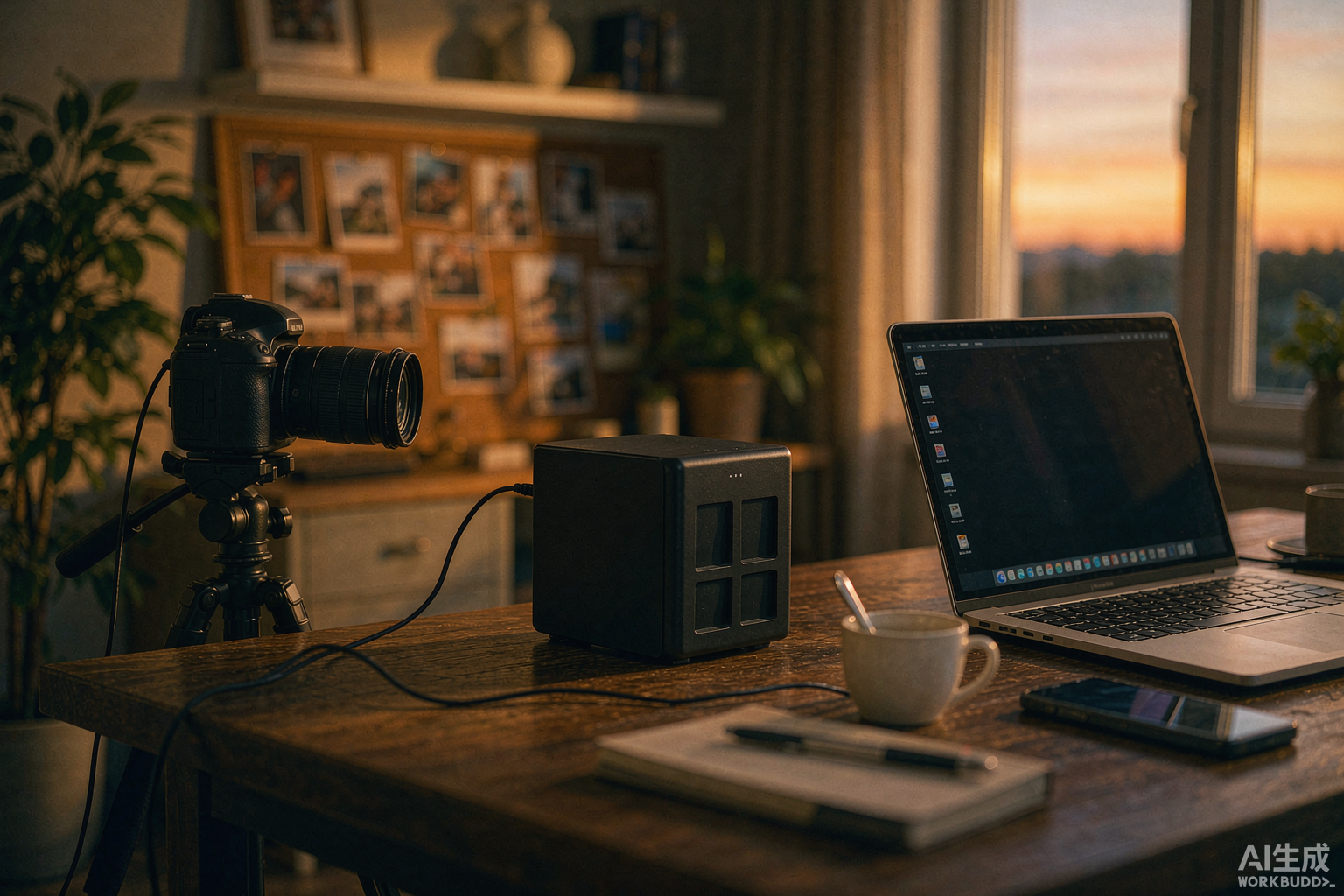
By Leo, woCyber — writing about local-first storage, private cloud and DIY home security. Camera footage retention days are not a setting. They are an arithmetic result of three numbers you control — camera count, recording resolution, and how many hours a day each camera actually writes. Change any one and the retention window moves.…
-
Subscription-Free Local Storage: What Two October 2026 Launches Actually Changed
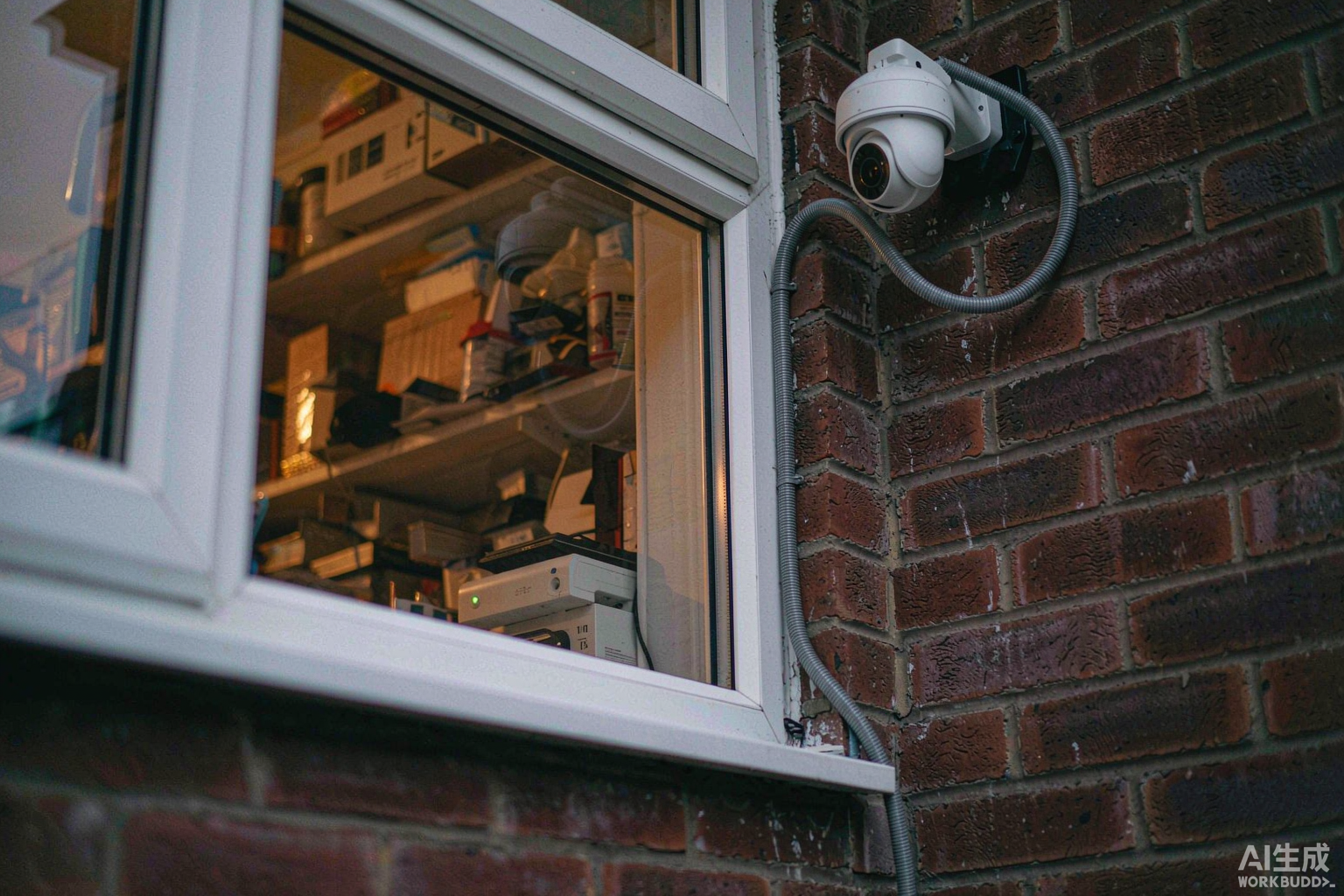
By Leo, woCyber — writing about local-first storage, private cloud and DIY home security. Subscription-free local storage stopped being a niche argument in the second half of October 2026. Reolink put its Home Hub 2 on sale on 15 October 2026 — see the vendor page — and it sells a proposition the whole segment…
-
NAS With Ransomware Protection: What Actually Stops It
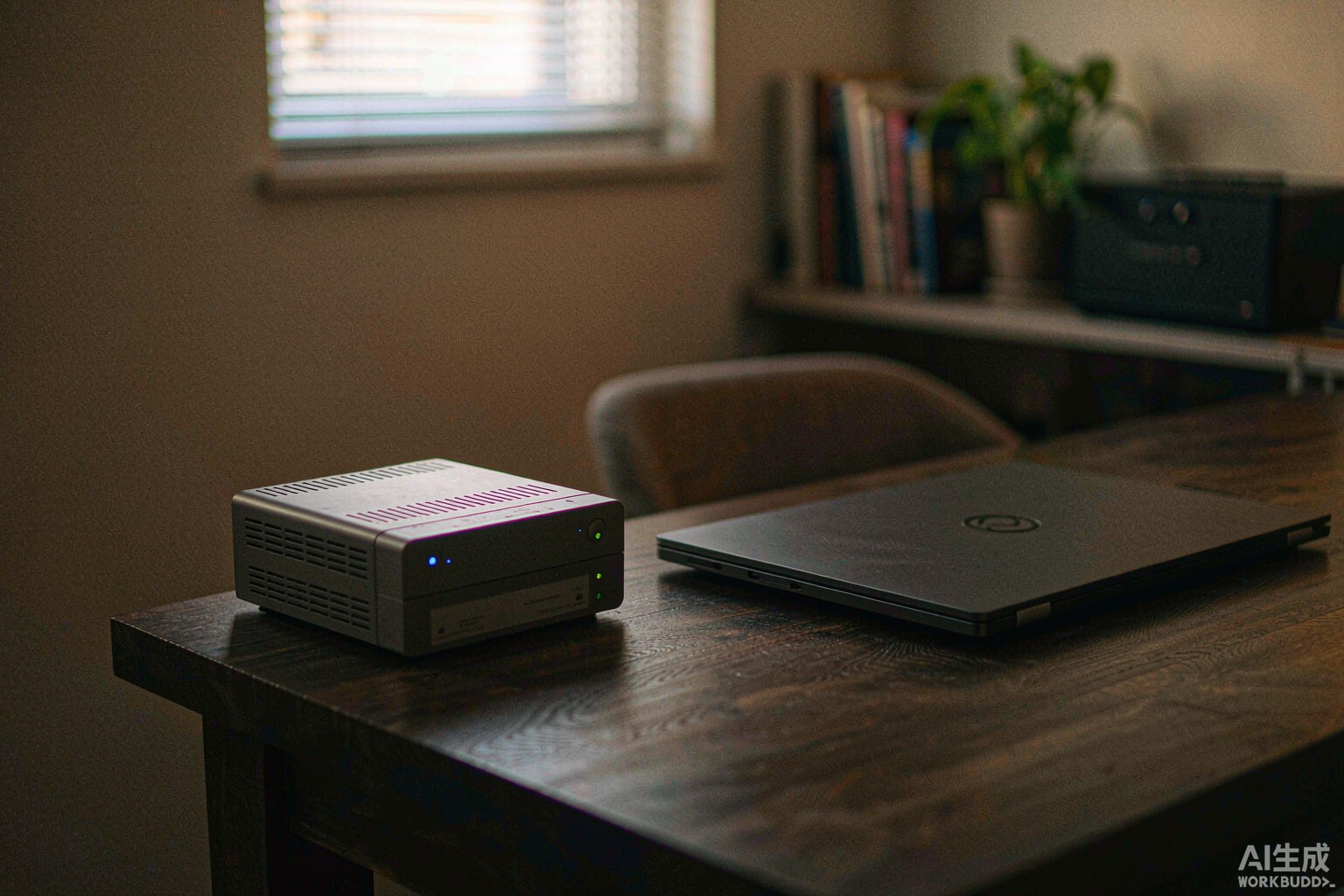
By Leo, woCyber — writing about local-first storage, private cloud and DIY home security. Can Ransomware Wipe a NAS Backup? Key Takeaways Yes, it can. A NAS with ransomware protection is a set of settings rather than a shield, and a share mapped to a desktop is only as safe as that desktop. RAID survives…
-
Camera Network Segmentation: Lessons From Two Camera Flaws
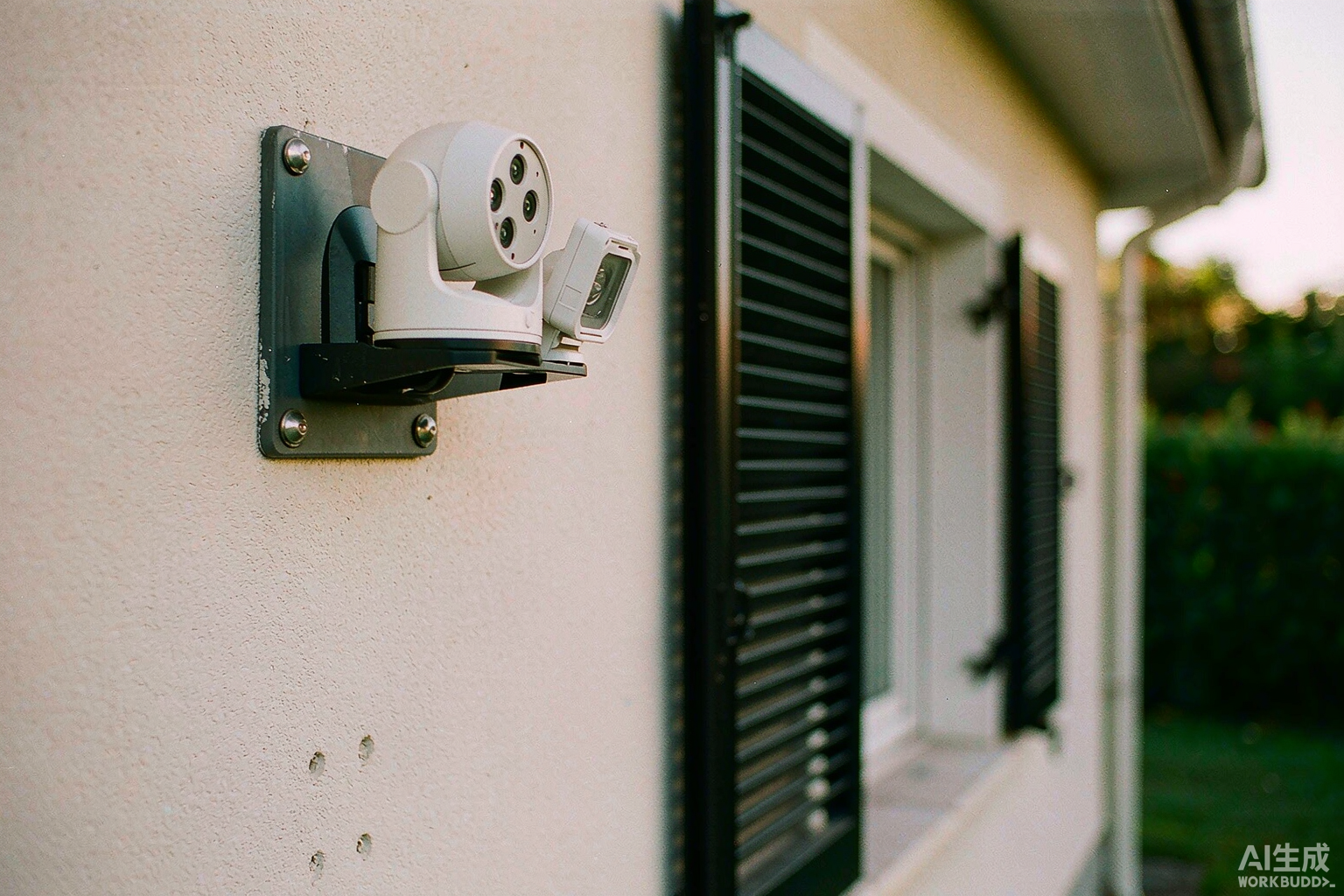
By Leo, woCyber — writing about local-first storage, private cloud and DIY home security. Do security cameras need their own network? Key Takeaways The Tapo authentication-bypass flaw recorded as CVE-2026-15315 carries a CVSS 8.8 score and requires the attacker to already sit on your local network (NVD). Camera network segmentation removes exactly that precondition. The…
-
Tailscale Subnet Router on NAS: Why the “No Ports Open” Trick Turns Your NAS Into a Home Server
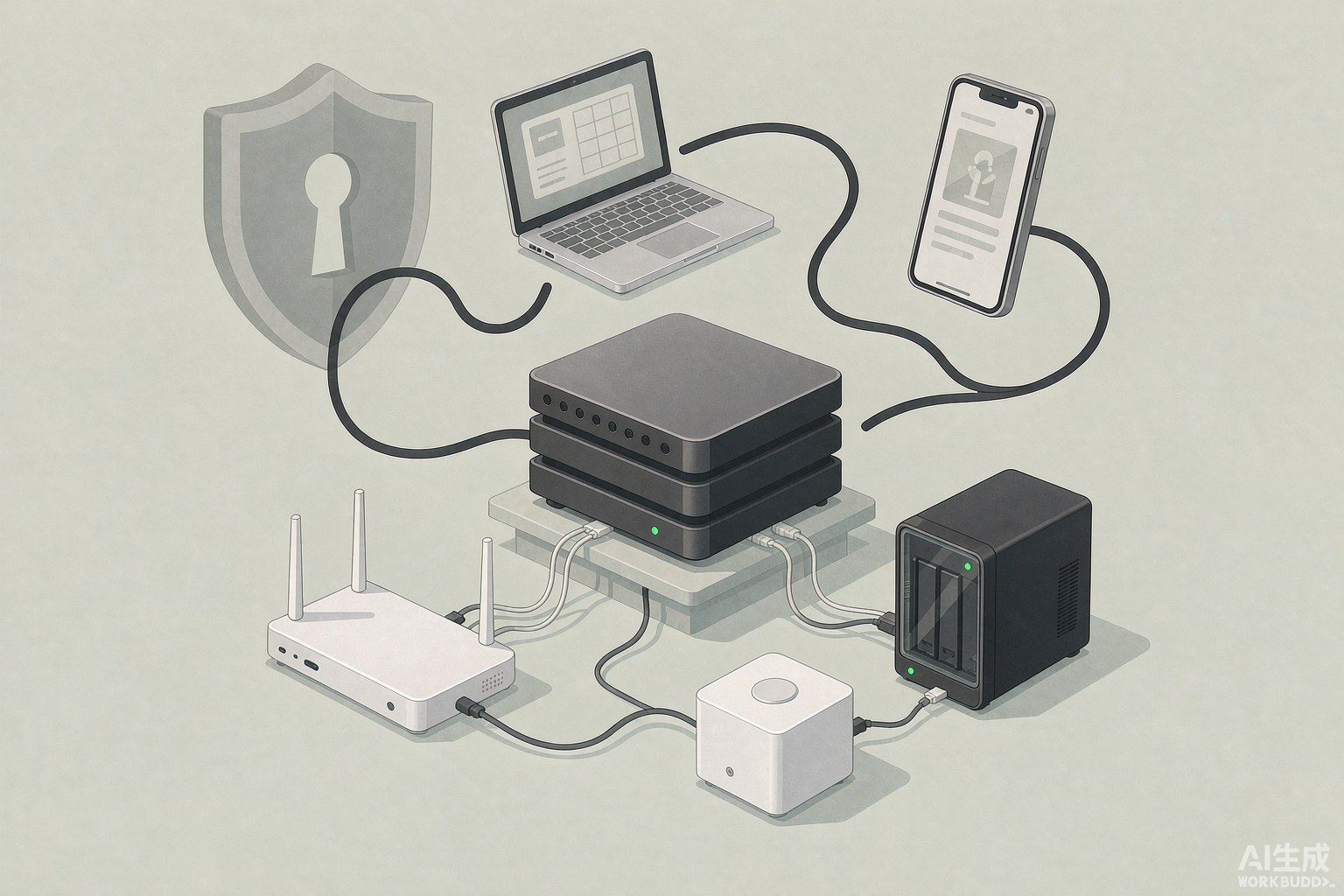
By Leo, woCyber — writing about local-first storage, private cloud and DIY home security. Tailscale Subnet Router on NAS: Why the “No Ports Open” Trick Turns Your NAS Into a Home Server Short answer: a Tailscale subnet router on NAS lets every device on your LAN reach the NAS remotely without opening a single inbound…
-
How to Connect Security Cameras to a NAS: 3 Parameters That Decide Whether It Actually Works
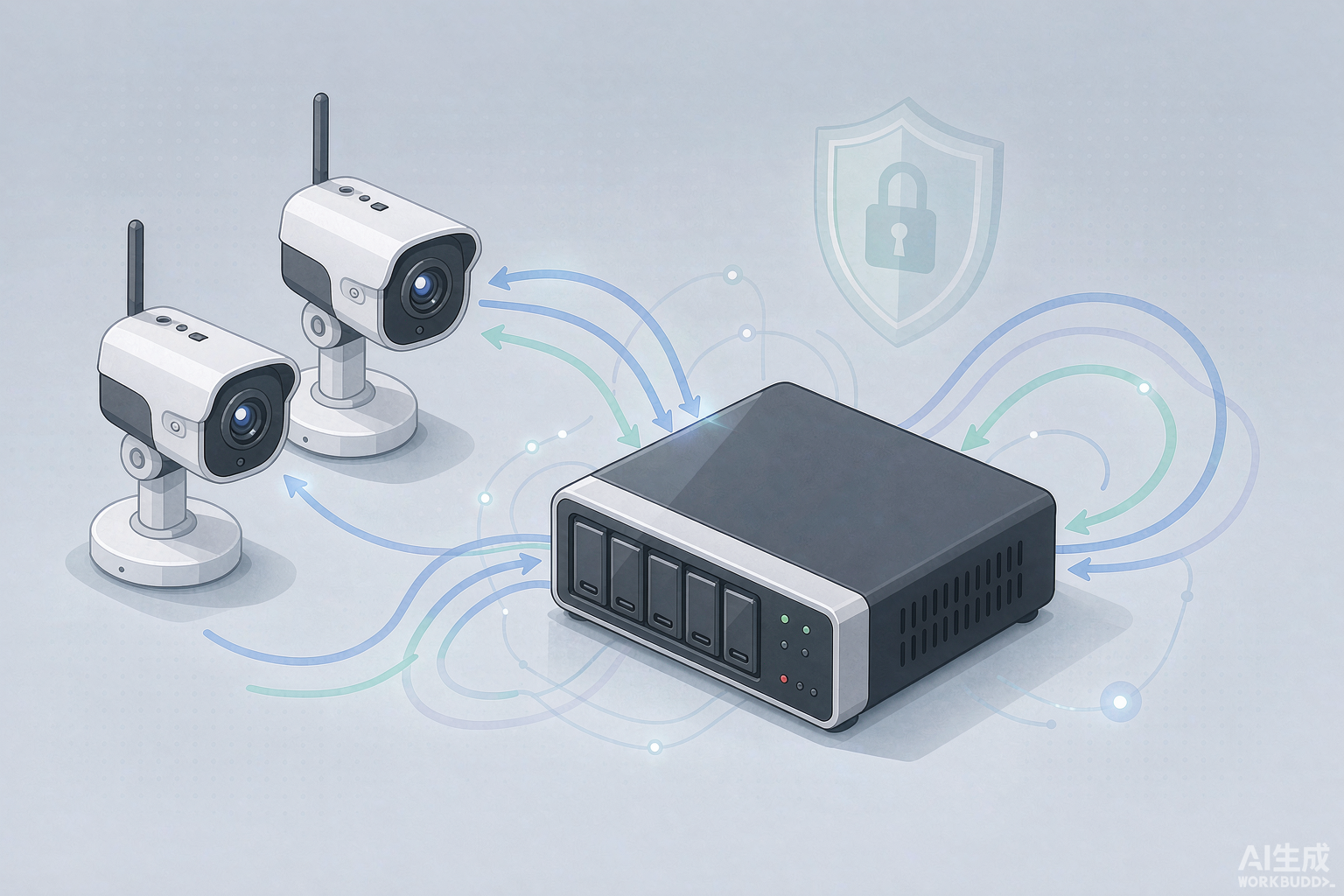
By Leo, woCyber — writing about local-first storage, private cloud and DIY home security. How to Connect Security Cameras to a NAS: 3 Parameters That Decide Whether It Actually Works Short answer: to connect a security camera to a NAS you check ONVIF compatibility, size the storage from the bitrate, and secure remote access with…
-
MCP on a NAS: What the Model Context Protocol Does for Your Files
By Leo, woCyber — writing about local-first storage, private cloud and DIY home security. The Model Context Protocol (MCP) is an open standard that lets an AI model call external tools and read external data through a single, defined interface. An MCP model context protocol NAS setup is simply a NAS hosting an MCP server…